Deciding to end a marriage is one of the most difficult choices anyone can make. For Long Island residents navigating divorce in Nassau or Suffolk County, the legal process adds another layer of complexity to an already emotional time. Understanding the basics of how divorce works in New York can help you approach the process with greater confidence and clarity.
New York Is a No-Fault Divorce State
New York allows couples to file for divorce on "no-fault" grounds, meaning neither spouse needs to prove wrongdoing. The most common ground used is the irretrievable breakdown of the marriage for a period of at least six months. This has simplified the process significantly compared to older fault-based requirements, but it doesn't mean divorce is simple.
Even uncontested divorces require legally binding agreements on property division, spousal support, and, if children are involved, custody and support arrangements. Getting those agreements wrong can have consequences that follow you for years.
Contested vs. Uncontested Divorce
Not all divorces are the same. An uncontested divorce occurs when both spouses agree on all major issues and can proceed cooperatively. A contested divorce involves disputes that require negotiation, mediation, or in some cases, litigation before a judge.
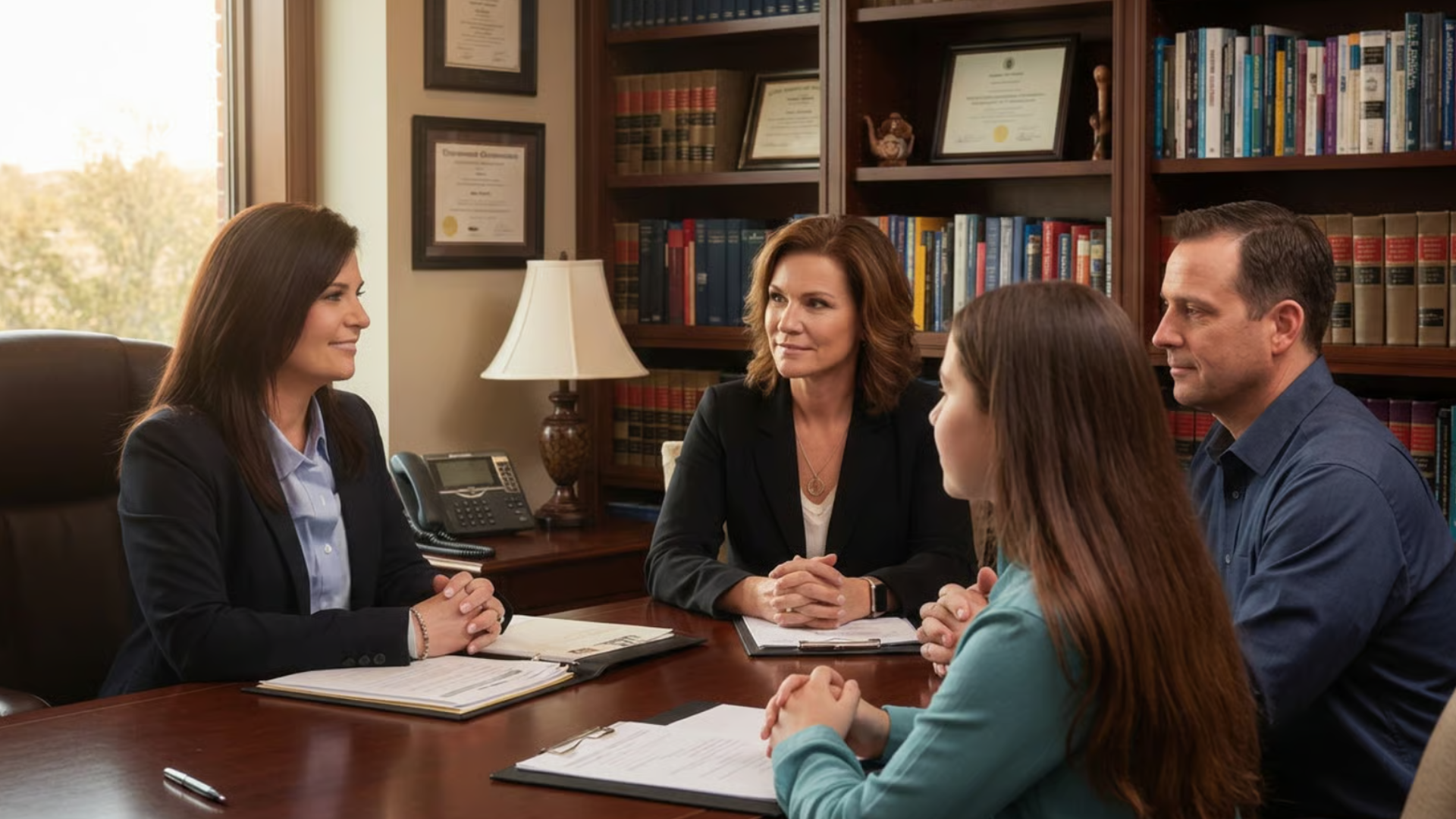
Attorney Treglia works with clients on both paths. Her goal is always to help clients reach fair, durable agreements through the least stressful and most cost-effective means possible. Where mediation or negotiation can resolve issues without courtroom battles, she pursues that route. When a client's rights and interests require a stronger stance, she is prepared to advocate firmly on their behalf.
What Gets Divided in a New York Divorce?
New York follows the principle of equitable distribution, meaning marital property is divided fairly, though not necessarily equally. This includes real estate, retirement accounts, business interests, and debts accumulated during the marriage.
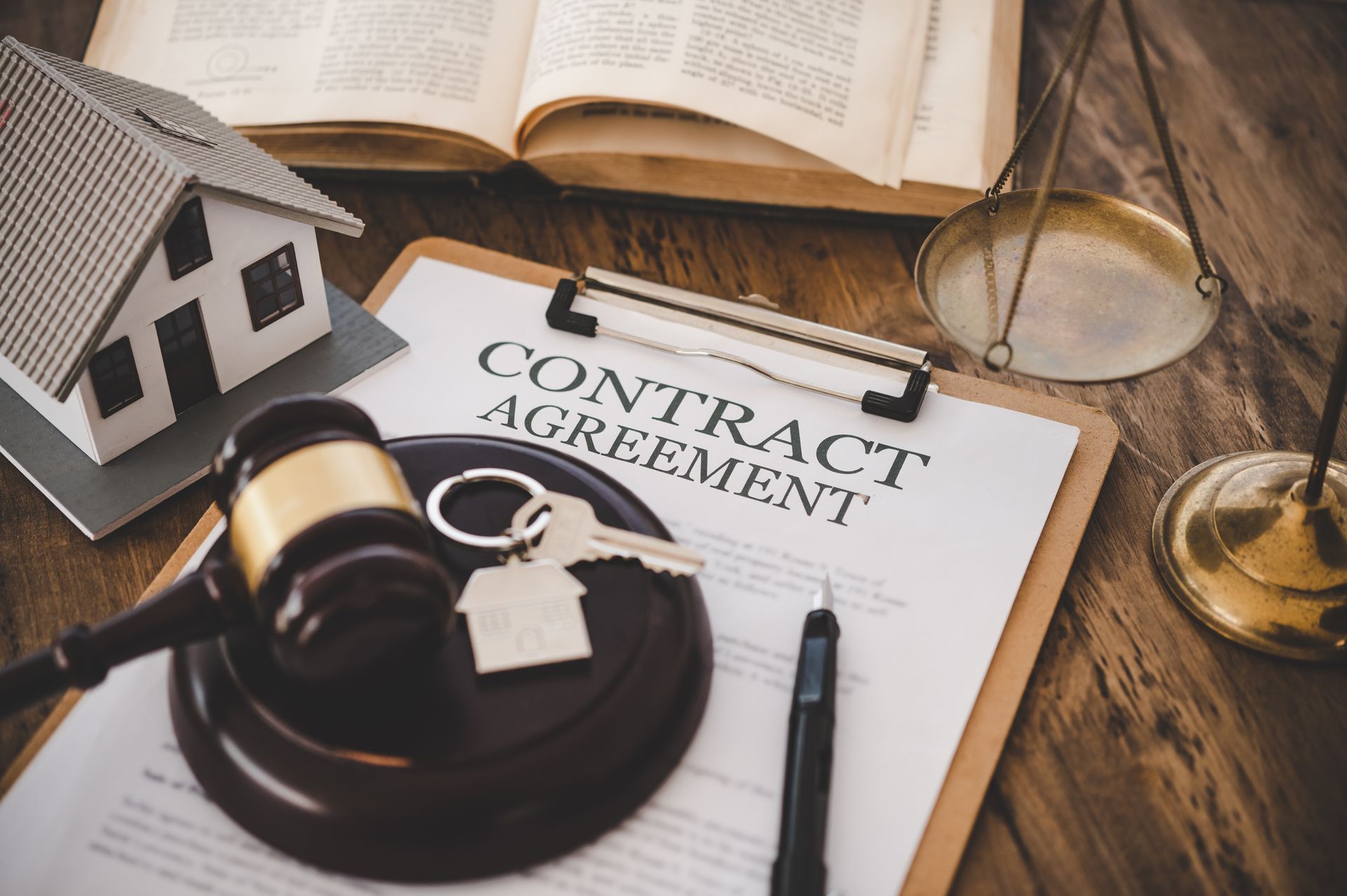
One of the most common sources of confusion for Long Island clients involves the family home. Who stays? Who buys out the other? Can it be sold? The answers depend on many factors, including the length of the marriage, each spouse's financial situation, and whether minor children are involved. Attorney Treglia helps clients understand their options and avoid agreements they may later regret.
Child Custody and Support on Long Island
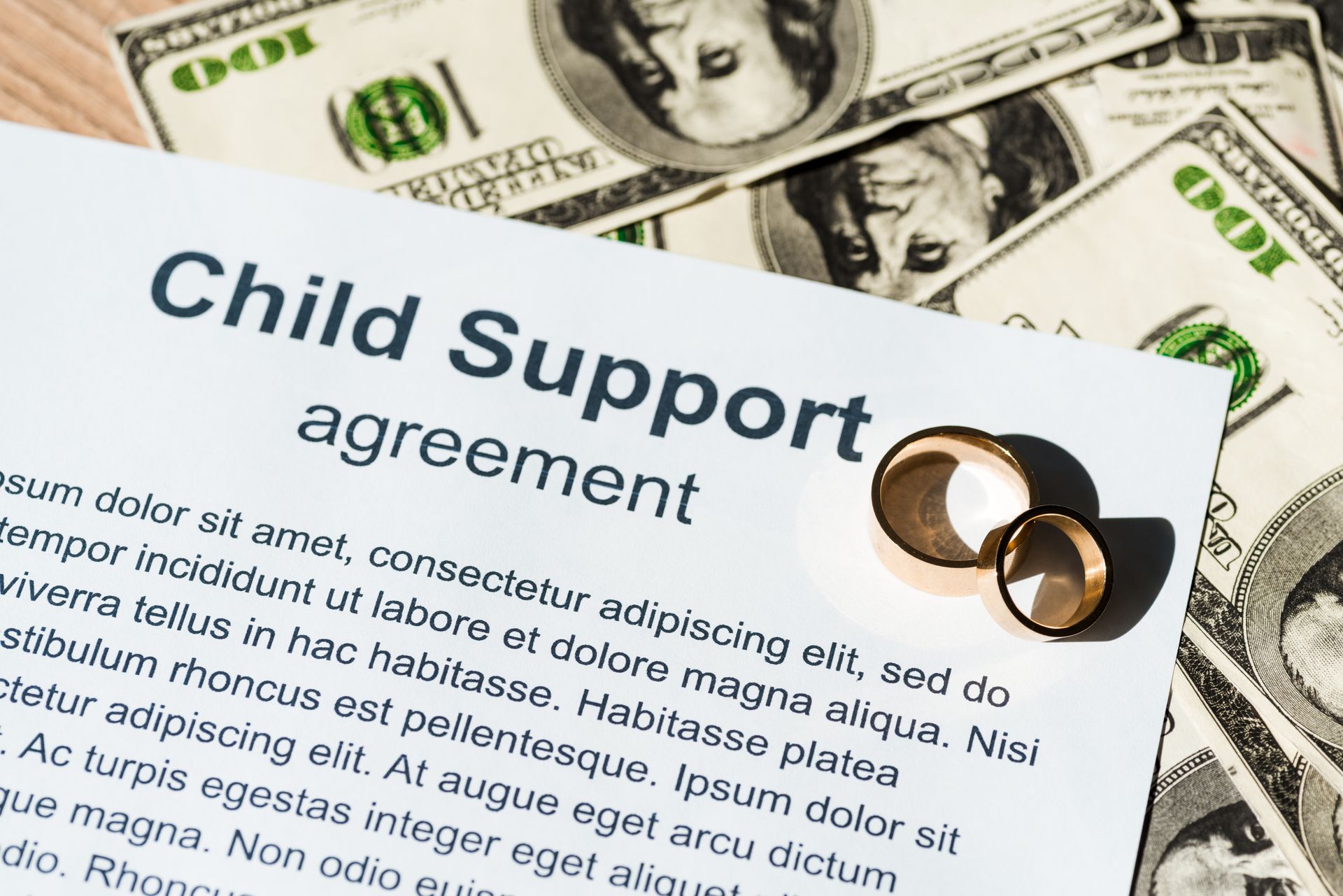
When children are part of the picture, divorce becomes significantly more complex. New York courts prioritize the best interests of the child in all custody decisions. Parents may share legal custody, physical custody, or both. Child support in New York is calculated using a specific statutory formula, but deviations are possible under certain circumstances.
Elisa Treglia is a certified family law specialist with deep experience in custody and support matters across Long Island. She helps clients navigate these decisions with both legal precision and genuine compassion for the families involved.
Don't Navigate Divorce Alone
Divorce has financial, legal, and emotional consequences that can last a lifetime. Having an experienced Long Island divorce attorney in your corner ensures you understand your rights, make informed decisions, and protect your future.
Contact Law Office of Elisa Treglia, PLLC at (516) 847-0267 for a free consultation. Attorney Treglia works directly with every client and brings decades of experience to divorce cases throughout Nassau and Suffolk Counties. Visit tregliaattorney.com to learn more about how she can help you move forward.
Attorney Advertising. This content is for informational purposes only and does not constitute legal advice. Reading this post does not create an attorney-client relationship. Consult a qualified attorney regarding your specific situation.